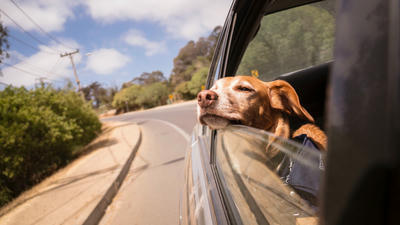
Traveling with your pet can be a rewarding experience, but it also requires careful planning to ensure their safety and well-being. Whether you’re taking a road trip, flying across the country, or embarking on an overseas adventure, keeping your furry friend healthy and comfortable is essential.
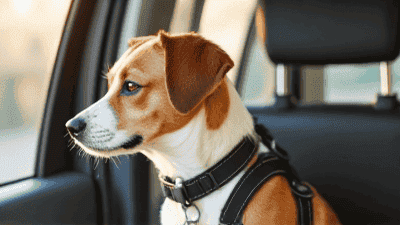
Traveling with your pet can be a rewarding experience, but it also requires careful planning to ensure their safety and well-being. Whether you’re taking a road trip, flying across the country, or embarking on an overseas adventure, keeping your furry friend healthy and comfortable is essential.
1. Preparing for Pet Travel
Research Your Destination
Before you travel, research the rules and regulations for pets at your destination. Some countries have strict quarantine requirements, while others may require specific vaccinations or health certificates.
Visit the Veterinarian
Schedule a checkup with your vet to ensure your pet is healthy enough to travel. Discuss any concerns, such as motion sickness or anxiety, and ask for recommendations for medications or calming products.
Update Vaccinations and Health Records
Make sure your pet’s vaccinations are up to date, and obtain a copy of their health records. If you’re traveling internationally, you may need an official health certificate issued by your vet.
Microchip Your Pet
A microchip provides permanent identification for your pet, which is especially important in case they get lost during the trip. Ensure the microchip is registered with your current contact information.
2. Packing Essentials for Pet Travel

Food and Water
- Pack enough of your pet’s regular food for the entire trip, as sudden changes in diet can cause digestive issues.
- Bring collapsible bowls and a supply of fresh water to keep your pet hydrated.
Medications and First Aid
- If your pet takes medication, pack a sufficient supply along with a copy of the prescription.
- Include a basic pet first aid kit with items like bandages, antiseptic wipes, and tweezers.
Comfort Items
- Bring your pet’s favorite toys, blanket, or bedding to help them feel at ease in unfamiliar environments.
- A familiar-smelling item can reduce stress and provide comfort during the journey.
Travel Gear
- Use a secure, well-ventilated carrier or crate for small pets.
- Invest in a comfortable harness or seatbelt attachment for car travel.
- Consider a collapsible litter box for cats or disposable bags for dogs.
Documentation
- Carry your pet’s health records, vaccination certificates, and any necessary permits or identification.
3. Traveling by Car with Your Pet
Safety First
- Secure your pet in a crate or use a pet seatbelt to prevent injury in case of sudden stops or accidents.
- Never leave your pet unattended in the car, especially in hot or cold weather.
Frequent Breaks
- Take regular breaks to allow your pet to stretch, relieve themselves, and hydrate.
- Use a leash or harness to keep your pet safe during stops.
Manage Motion Sickness
- If your pet is prone to motion sickness, avoid feeding them a large meal before the trip.
- Talk to your vet about anti-nausea medications or natural remedies.
Keep the Car Cool
- Ensure the car is well-ventilated and at a comfortable temperature for your pet.
- Use sunshades or window visors to block direct sunlight.
4. Traveling by Air with Your Pet
Choose the Right Airline
Research airlines that are pet-friendly and have clear policies for traveling with pets. Some airlines allow small pets in the cabin, while others require them to travel in the cargo hold.
Book Early
Many airlines have limits on the number of pets allowed per flight, so book your pet’s spot as early as possible.
Prepare the Carrier
- Use an airline-approved carrier that is the appropriate size for your pet.
- Label the carrier with your contact information and include a photo of your pet inside.
Reduce Stress
- Acclimate your pet to the carrier before the trip by letting them spend time in it at home.
- Place a familiar blanket or toy inside to provide comfort.
Follow Airline Guidelines
Each airline has specific requirements for pet travel, such as health certificates, feeding schedules, and carrier dimensions. Make sure you comply with all guidelines to avoid last-minute issues.
5. Traveling Internationally with Your Pet
Research Import Requirements
Every country has its own rules for importing pets, including required vaccinations, quarantine periods, and documentation. Start researching well in advance to ensure compliance.
Obtain a Pet Passport
Some countries, especially in Europe, require a pet passport that includes your pet’s microchip number, vaccination history, and health records.
Prepare for Quarantine
If your destination country requires quarantine, make arrangements for your pet’s care and ensure they have everything they need during the quarantine period.
Choose Pet-Friendly Accommodations
Book hotels or rentals that welcome pets and provide amenities such as pet beds, food bowls, and nearby walking areas.
6. Managing Stress During Travel

Create a Calm Environment
- Use calming sprays or pheromone diffusers to reduce anxiety.
- Play soothing music or white noise to create a relaxing atmosphere.
Stick to a Routine
- Maintain your pet’s regular feeding, walking, and playtime schedule as much as possible.
- Familiarity helps reduce stress and keeps your pet comfortable.
Use Calming Products
- Talk to your vet about over-the-counter or prescription calming medications.
- Natural remedies like CBD oil or herbal supplements can also help reduce anxiety.
7. Preventing Health Issues During Travel
Stay Hydrated
Ensure your pet has access to fresh water at all times to prevent dehydration.
Avoid Overheating
Keep your pet cool by providing shade, using cooling products, and avoiding excessive exercise in hot weather.
Watch for Signs of Illness
Monitor your pet for symptoms like vomiting, diarrhea, lethargy, or loss of appetite. Seek veterinary care if you notice any concerning signs.
Keep Them Clean
Bring grooming supplies like a brush and pet-safe wipes to keep your pet clean and comfortable during the trip.
8. Special Considerations for Different Pets
Dogs
Dogs are generally adaptable travelers, but they may require more frequent breaks and exercise. Bring a portable water bowl and leash for convenience.
Cats
Cats are typically more sensitive to changes in environment. Keep them in a secure carrier and provide a litter box for comfort.
Small Animals
Rabbits, guinea pigs, and other small animals need a stable environment with proper ventilation and temperature control. Use a sturdy carrier and avoid sudden movements.
Birds
Birds can be easily stressed by travel. Keep their cage covered to reduce anxiety and maintain a comfortable temperature.
9. Returning Home After Travel
Check for Ticks and Parasites
After your trip, inspect your pet for ticks, fleas, or other parasites. Use preventive treatments as recommended by your vet.
Monitor Their Health
Watch for any signs of illness or stress in the days following your return. Contact your vet if you notice any unusual symptoms.
Resume Regular Routine
Gradually transition your pet back to their usual routine to help them readjust.
Conclusion
Traveling with your pet can be a wonderful adventure when done with proper preparation and care. By following these pet travel tips, you can keep your companion healthy, safe, and comfortable on the road. Remember to plan ahead, pack wisely, and prioritize your pet’s needs at every stage of the journey. With a little effort and attention to detail, you and your furry friend can create lasting memories together while exploring the world.